


Meso–Wharton P199

A comprehensive, individualized, anonymous approach to treatment.
Meso – Wharton P199 – injectant for medical use, designed for intensive “reparations” and rejuvenation of the skin after 40-45 years. The mechanism of its action is associated with the activation of the proliferative properties of skin stem cells and the restoration of the physiological regulation of cell activity, renewal of the intercellular matrix.
The main ingredient of the drug is – “Wharton Jelly Peptide P 199” – a synthetic analog of an embryonic peptide that acts as a signaling factor to skin stem cells. The peptide stimulates the renewal of dermal cells, increases the synthetic activity of fibroblasts, promotes the formation of hyaluronic acid and full-fledged collagen fibers.
The discovery of the peptide is associated with the work of a famous obstetrician-gynecologist, surgeon Boris Markovich Petrikovsky. Professor Petrikovsky became world-famous for his unique operations for various fetal malformations. When studying the composition of the gel-like substance of the funicle, a peptide was isolated that regulates the activity of skin stem cells by activating the synthesis of growth factors.
In addition to peptide P 199, Meso – Wharton P199 contains:
- oligo-and polypeptides – cell growth factors (epidermal, insulin-like, thyreodoxin, fibroblast growth factor), and also contains a cupriferous tripeptide that stimulates regeneration;
- high-molecular hyaluronic acid in a concentration of 1.56%;
- a complex of amino acids, including those specific to collagen, a number of oligoelements;
- NAD, FAD, cAMP, ornithine, taurine, coenzyme, inositol and other cofactors of major biochemical reactions. All components in the composition of the drug are included in low concentrations and according to Goring's law have a regulatory effect.
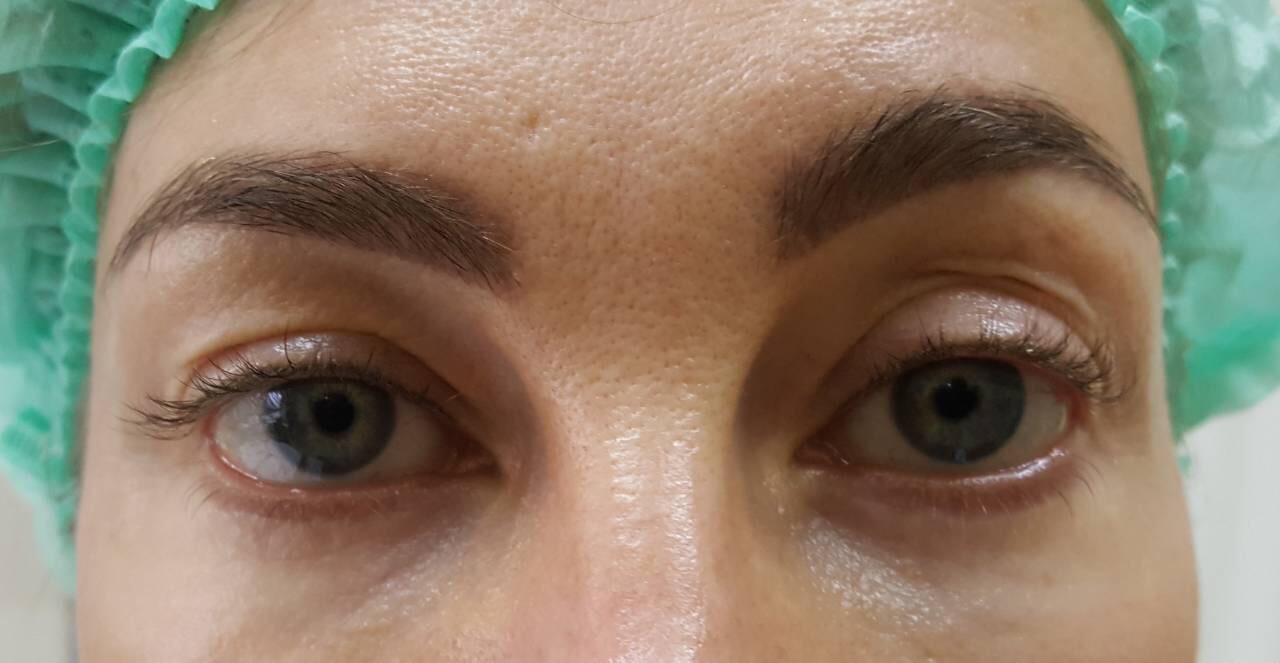
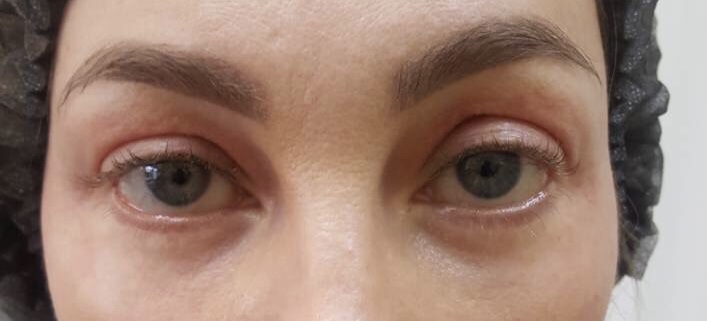
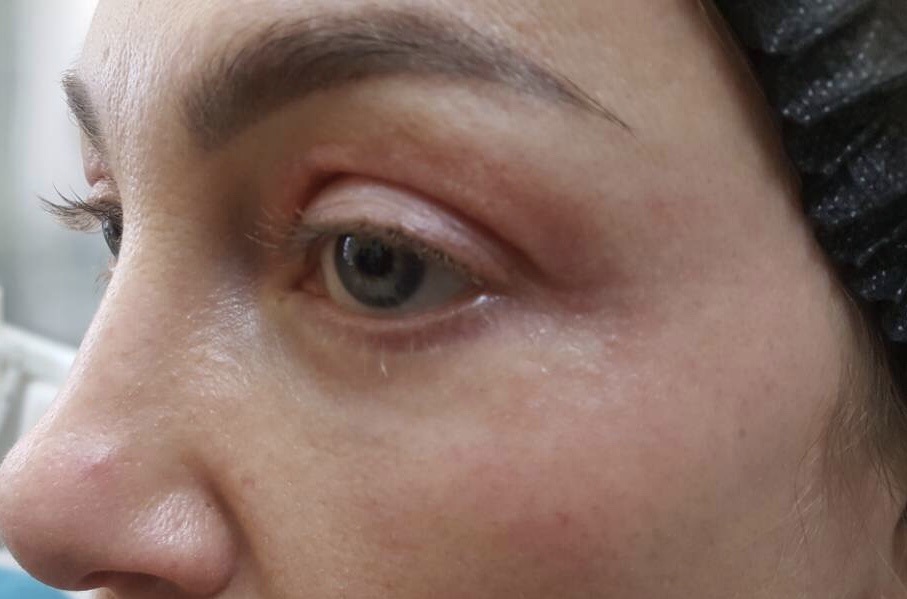
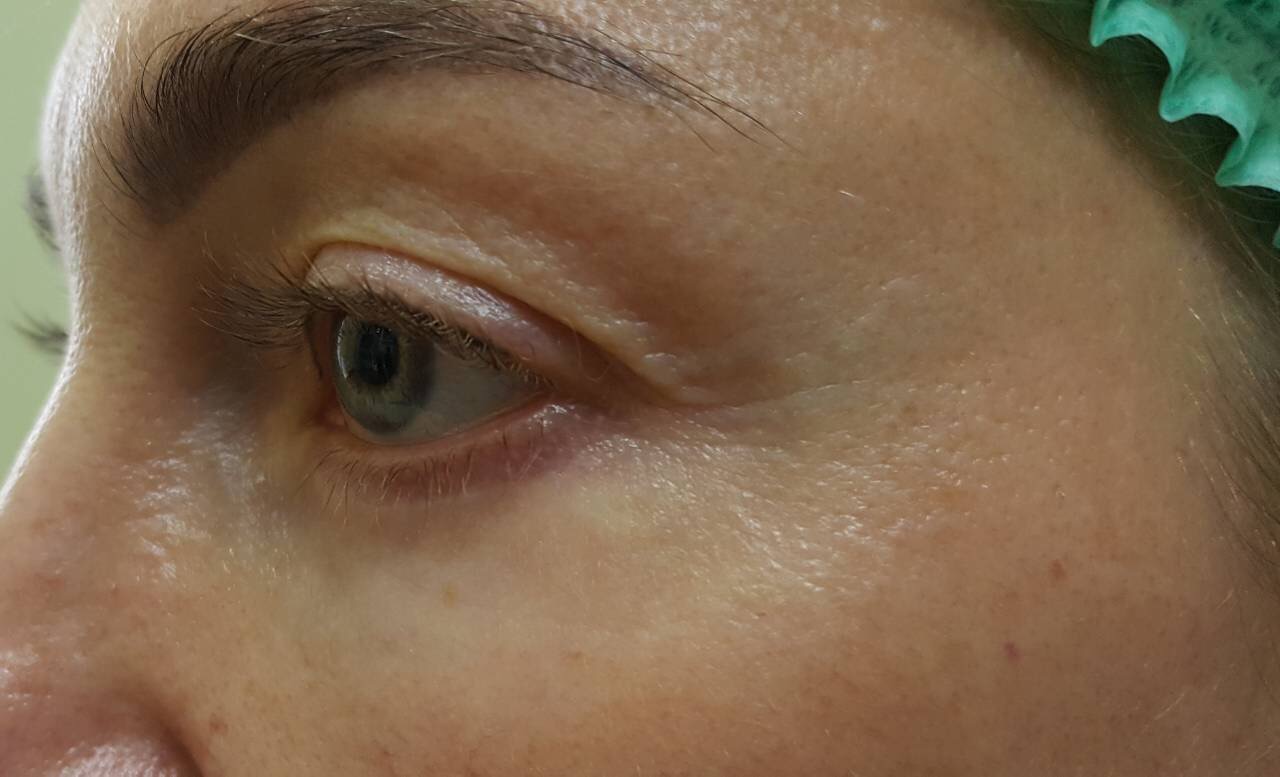
Safety of the drug.
The drug “Meso – Wharton P199” has passed all the necessary tests confirming its bacteriological safety, toxicity, allergenicity, mutogenicity, which is confirmed by the relevant certificates. The drug was registered in the Russian Federation as a medical device on May 5, 2010. The use of signal molecules, rather than actual stem or differentiated cells for skin rejuvenation, avoids the risk of complications associated with cellular technologies, especially with the use of embryonic and fetal stem cells.
The material does not contain animal proteins and does not require prior allergic
experiment.
Indications for use:
- Prevention of skin aging
- Age-related skin changes (wrinkles, gravitational ptosis, loss of tone and elasticity)
- Preparation for plastic surgery
- Skin rehabilitation in the postoperative period
- The recovery of the skin after laser resurfacing, and median peelings
- Hyperpigmentation
Contraindications:
- Age younger than 40 years
2. Pregnancy and lactation
3. Acute inflammatory process in the area of intended injections
4. History of autoimmune diseases
5. Hypersensitivity to hyaluronic acid
6. Taking blood thinners (heparin, aspirin, etc.)
Recommended courses of the drug “Meso-Wharton P199”
Age group 40-50 years: intensive course of biorevitalization 4-6 sessions (weekly administration of the drug 3-4 sessions in a row, then 1-2 sessions at intervals of 2 weeks). Supporting course 1 time in 6-8 weeks.
Age group over 50 years: intensive course of 7-8 sessions (weekly administration of the drug 5-6 sessions in a row, then 1-2 sessions every 2 weeks). Supporting course 1 time in 4 weeks.
Frequently asked question
Does “Meso-Wharton P199” contain stem cells?
The drug does not contain any stem cells or embryonic tissues. The regulatory peptide Wharton Jelly Peptide P 199 is a biosynthetic analog of an embryonic peptide.
How long do papules resolve after the injection procedure “Meso – Wharton P199”?
On the thin atonic skin, papules can last up to 3 days. If you make classic mesotherapy injections to a depth of 2 mm and enter microdoses of the drug, the papules will resolve within a day. On the neck it can hold longer. Since the drug contains vitamins, some patients may have hyperemic papules. Maximum hyperemia lasts up to 2 days.
Is it possible to have an allergic reaction to the drug?
Individual intolerance of individual components is possible. Before the procedure, the doctor must collect allergic anamnesis.
What results can be expected after the course of procedures?
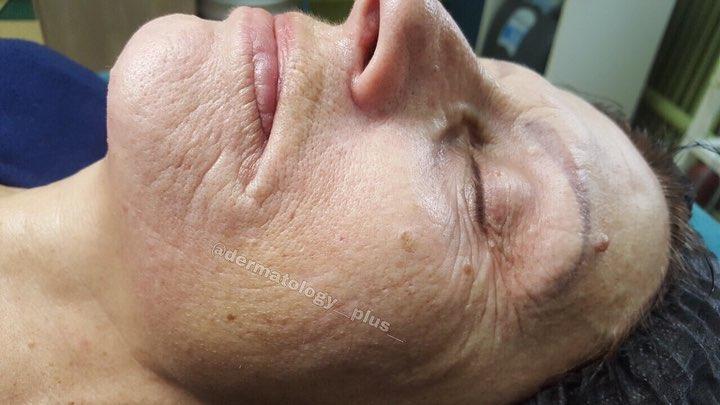
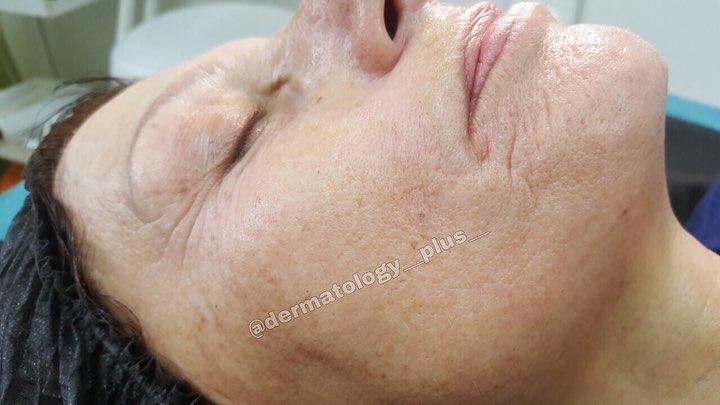
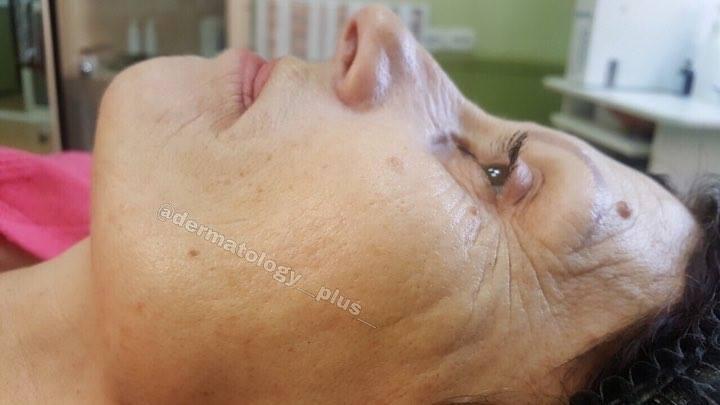
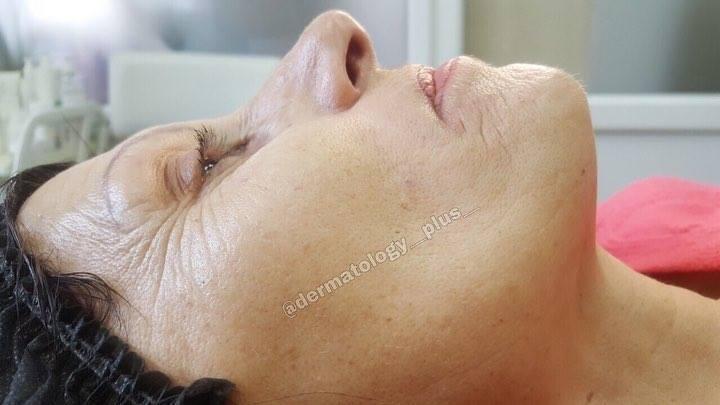
After a course of treatments noticeably improves the complexion and reduces the severity of age-related hyperpigmentation, skin tightness improves and skin smoothes, facial contour improves and the level of hydration increases.
How many procedures of “Meso-Wharton P199” do you need to undergo before laser
skin rejuvenation?
The number of procedures is determined strictly individually. It depends on the type of skin and its aesthetic condition, concomitant diseases. It is important to know whether the menstrual cycle is preserved in women, whether they are taking hormone replacement therapy. Preparing menopausal patients for aggressive procedures requires special attention.
What drugs can be combined with “Meso-Wharton P199”?
The interaction of “Meso-Wharton P199” with other pharmacological drugs has not been studied.
What are the recommendations for skin care after the”Meso-Wharton P199”
procedure?
After the procedure, the area of administration of the drug should not be subjected to intense heat, visit the sauna and solarium. Cosmetics should not be applied within 24 hours after the procedure. When hematomas are formed, ointment “Traumel S” is applied locally, and in the summer, it is mandatory to use sunscreen.

Snezhko Svetlana
Cosmetologist. Dermatovenerologist.
Association of Dermatovenereologists and Cosmetologists of Ukraine
Working hours
Monday- Friday: 9.00-19.00
Saturday / Sunday: day off