


Treatment of urticaria

A comprehensive, individualized, anonymous approach to treatment
URTICARIA is a skin disease of toxic and allergic origin. It is a skin rash in the form of red itchy bumps. The size of them can vary from a few millimeters to a couple centimeters. They are above the skin and have clear borders , turn pale when pressed.
In order to be fully prepared in case of have this unpleasant disease, which is difficult to diagnose, you should know about it as much as possible. The probability of its occurrence is quite high, and from 10 to 35% of people have had urticaria at least once.
The name is connected with the similarity of burns symptoms that received on the skin from the nettle. There are many causes of urticarial. For their detection it is required a balanced approach to the treatment of the patient and a responsible attitude to the examination.
Some of the forms of the disease require urgent treatment include acute Quincke’s edema, which affects not only the skin, but also the subcutaneous tissue of the genitals and face, as well as the mucous membranes. If this edema grows in the larynx, there is a significant risk of death due to suffocation.
Causes of urticaria, general and private
The cause of urticaria is the impact of various allergens on the body. It can also be caused by insect bites, fungi and bacteria exposure or various physical factors like heat, cold, sunlight, and others. It should be noted that this disease is absolutely not contagious, and its transmission from one person to another is completely excluded.
Urticaria can be triggered by metabolic disorders or disorders of the thyroid gland, as well as malfunction of internal organs – the liver, kidneys, gastrointestinal tract; the tumors, blood and autoimmune diseases, infections. Often urticaria, or skin dermatitis of an allergic nature, can be an alarming external signal about serious problems in the body of adults and children.
Differential diagnosis between different forms of urticaria is based on differences in the clinical manifestations and course of the disease, as well as the causes of edema.
It is also necessary to distinguish this disease from certain syndromes and diseases, the presence of which in the patient is accompanied by characteristic rashes for urticaria.
This can be the Shelley-Hurley syndrome, Löffler’s, Wissler-Fanconi, Muckle–Wells, as well as intoxication provoked by an excess of fluoride in the body — fluorosis, grain scabies caused by a tick, helminthiasis and other parasitic diseases.
In addition, there are also illnesses in which blisters are not a constantly presenting sign of the disease:
- systemic lupus erythematosus;
- venereal lymphogranuloma;
- tumor diseases of lymphatic and hematopoietic tissues (hemoblastosis);
- dermatodyschromia;
- Duhring’s disease;
- purpura rheumatica, characterized by damage to the smallest blood vessels in the human body;
- toxidermia (acute dermatitis of an allergic-allergic nature).
It is necessary during urticaria treatment, first of all, to eliminate the factor that provokes this unpleasant illness. Therefore, the entire recovery process depends on the nature of the disease and its current phase. At the first symptoms, you should contact a qualified allergist, dermatologist or pediatrician, who will prescribe the appropriate treatment.
Most often, for urticaria, a special diet is prescribed, which involves the exclusion from the diet of such potentially dangerous products from the point of view of an allergic reaction, such as marinades and spices, smoked and canned goods, chocolate and other sweets, chicken meat and eggs, colored carbonated drinks and wild strawberries. Diuretics are used to remove the allergen from the body.
The doctor is likely to prescribe for acute urticaria antihistamines and hormone therapy, but in the chronic form of the disease, the preliminary detection of all provoking factors is required, as well as the diagnosis of possible non-infectious diseases, the manifestation of which may well be urticaria.
For an accurate diagnosis of urticaria, tests and provocative testing may be required, which take into account the expected specificity of the disease. As a rule, for patients with urticaria various ointments and creams are indicated by medical prescription, ultraviolet irradiation, baths with herbs and other procedures. If the autoimmune nature of this disease is proven, it will require medical immunocorrective therapy.
General recommendations for patients suffering from urticaria:
- for hygienic procedures, choose a soft soap that does not dry the skin;
- wash your hands and body with warm water, avoiding using excessively hot water, as it can provoke and aggravate skin irritation;
- house towels should be soft;
- you should prefer clothes made of natural materials, preferably cotton;
- if necessary, take phytogenic sedatives
- constant itching and rash often cause by psychological disorders;
- the number of books and carpets should be minimal in your house, but it is better to refuse duvets and pillows completely;
- do not keep of flowering plants in the rooms, their pollen may trigger a relapse of the disease;
- try to avoid dust and perform wet cleaning as often as possible;
- do not keep pets, birds or aquarium fish;
- all cosmetics should be tested on the wrist before first use;
- take all new products, cosmetics, perfumes, and medicines one at a time and the rest must be tested and proven many times;
- when performing cosmetic procedures, warn the beautician in advance that you have hives (urticarial).


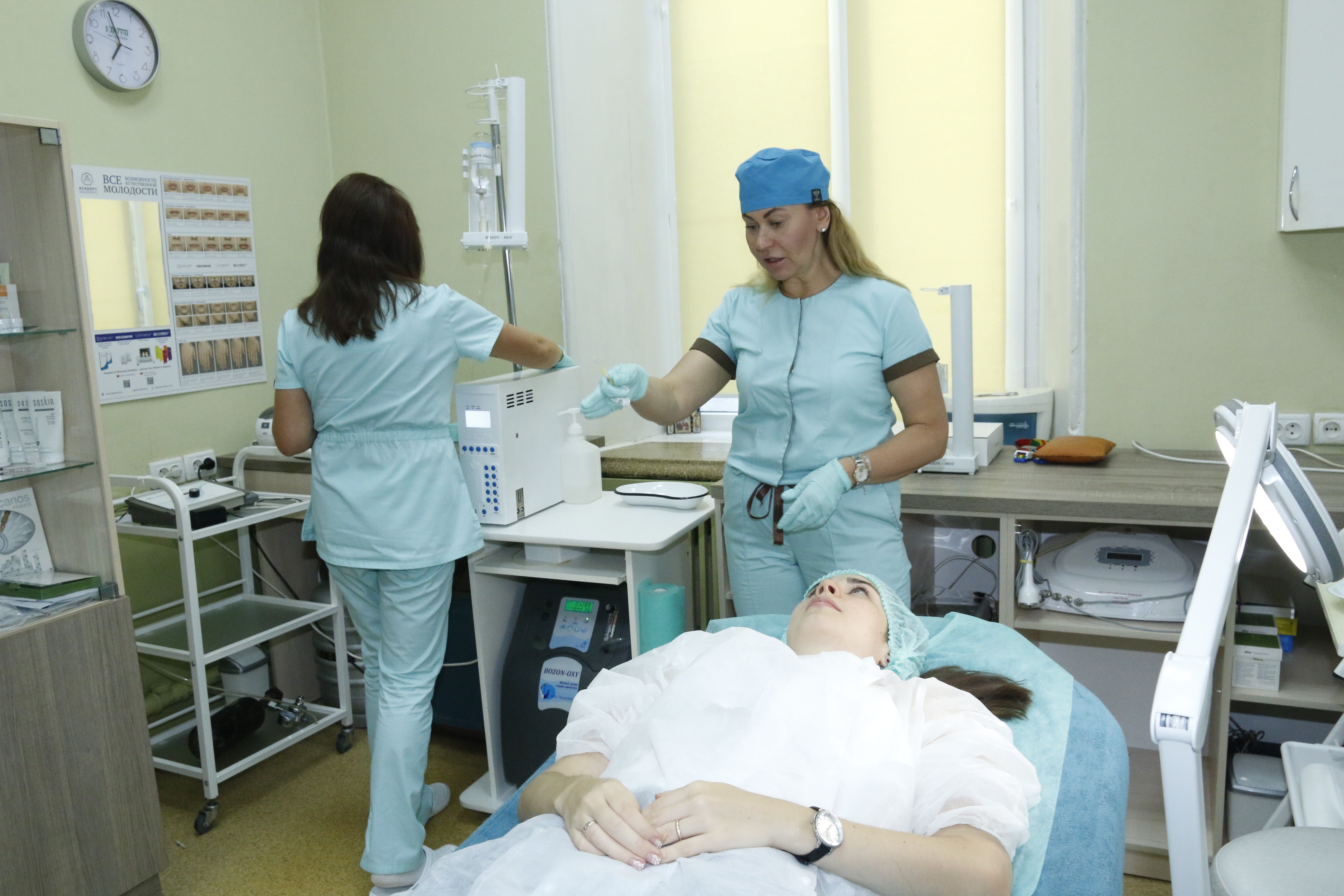

Snezhko Svetlana
Dermatovenerologist.
Association of Dermatovenereologists and Cosmetologists of Ukraine
Working hours
Monday- Friday: 9.00-19.00
Saturday / Sunday: day off