


Superficial-spreading melanoma

Comprehensive, individual, anonymous approach to treatment.
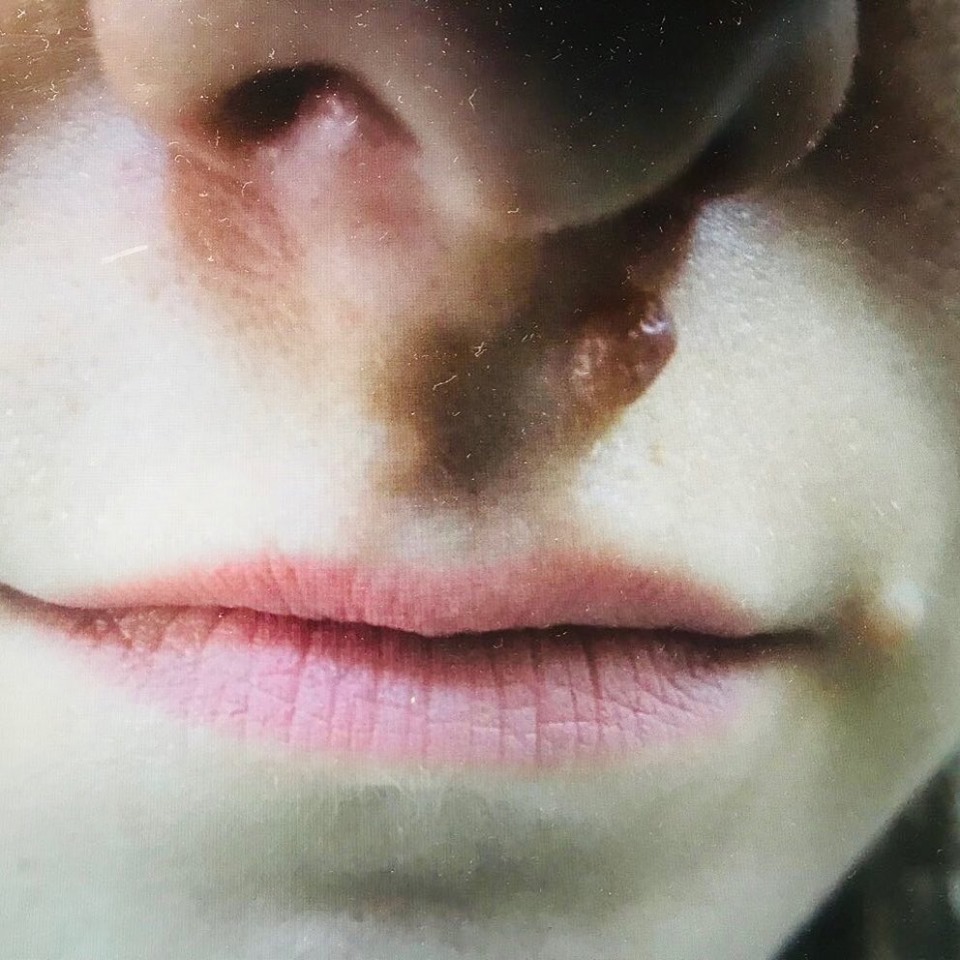
It is the most common malignant tumor of melanocytic origin in the white population. The tumor occurs most often in the upper back and grows slowly for years. Externally, it is a flattened plaque with clear boundaries, evenly raised above the level of the skin. The staining is represented by a combination of brown, dark brown, blue, black and red colors, and on areas of regression – gray and bluish-gray.
Thus, the color of superficially spreading melanoma resembles lentigo melanoma, although it is rarely mottley.
Age: 30 – 50 years. Half of the patients are older than 37 years.
Women get sick more often.
According to statistics, 98% of patients belong to the white race. For Afro-American people melanoma is usually located on the limbs, and half of them – on the soles.
Superficial melanoma accounts for 70% of melanoma cases among the white population.
Risk factors are pur according in decreasing order of importance:
* melanoma precursors (dysplastic nevus, congenital nevocellular nevus)
* melanoma in medical history (at parents, children, siblings)
* light skin (photosensitivity of 1 st and 2 nd type)
* excessive insolation, especially in childhood.
The fastest increase of disease is observed among urban youth, spending weekends in the sun, and winter holidays — in the tropics.
The development of the tumor takes 1-2 years.
Dysplatic nevus
It’s an acquired pigmented lesion, histologically represented by a disorderly proliferation of pleomorphic atypical melanocytes. It occurs on clean skin or as a component of a complex non-cellular nevus. Dysplatic nevus has characteristic clinical and histological features that distinguish it from acquired non-cellular nevus.
It is considered a precursor to superficial spreading melanoma and a risk factor for melanoma.
Dysplatic nevus occurs in 5% among the white population. It is found in almost all patients with familial melanoma and in 30-50 % among patients with sporadic melanoma.
Men and women get sick equally often.
It is believed that insolation contributes to the development of dysplatic nevus. Nevertheless, they are often found in areas of the body, always hidden from sunlight,
such as the scalp and perineum.



Snezhko Svetlana
Dermato-oncologist. Cosmetologist. Dermatovenerologist.
Association of Dermatovenereologists and Cosmetologists of Ukraine
Working hours
Monday- Friday: 9.00-19.00
Saturday / Sunday: day off