


Examination of malignant melanoma

Сomplex, Individual, Anonymous Approach To Treatment.
In the 70s, symptoms of malignant degeneration of pigment neoplasms were considered bleeding and onset. Therefore, melanoma is usually diagnosed in the later stages, when 50% of tumors are inoperable. At the present time, the efforts of doctors are aimed at identifying melanoma at the early stages, so the effectiveness of surgical treatment has increased significantly.
Melanoma is quite common among the white population. Melanoma affects mainly young and middle-aged people. Among malignant neoplasms in men aged 30 to 49 years, it ranks second in the frequency of orchioncus ( testicular tumors),and at the age of 50 to 59 years — the fourth place after bladder, lung and rectal cancer.
Timely visit to doctor plays a crucial role, i.e the prognosis for primary melanoma depends on the size of the tumor and the depth of invasion.
To diagnose melanoma and its precursors, it is higly important to conduct regularly a full examination of the skin. Special attention is paid to the back above the waist, the shanks (for women), the scalp and the skin around the natural openings (mouth, anus, vulva); and the toes and soles in African Americans.
30% of melanomas develop from previous pigment neoplasm, 70% arrise on clean skin. First, most melanomas grow within the epidermis, and then extend into dermis. The blood and lymphatic vessels of the dermis serve as pathways for spreading of metastases.
The prognosis for various clinical forms of melanoma depends primarily on the duration of the radial growth phase, which is in lentigo melanoma from several years to several decades, in superficial-spreading melanoma – from several months to 2 years, and in nodular melanoma does not exceed 6 months. Since the tumor has not practically metastasized in the phase of radial growth (and some researchers consider that they do not metastasize at all), it is important to diagnose the disease at this stage, i.e., when the tumor thickness exceeds 0.75 mm.
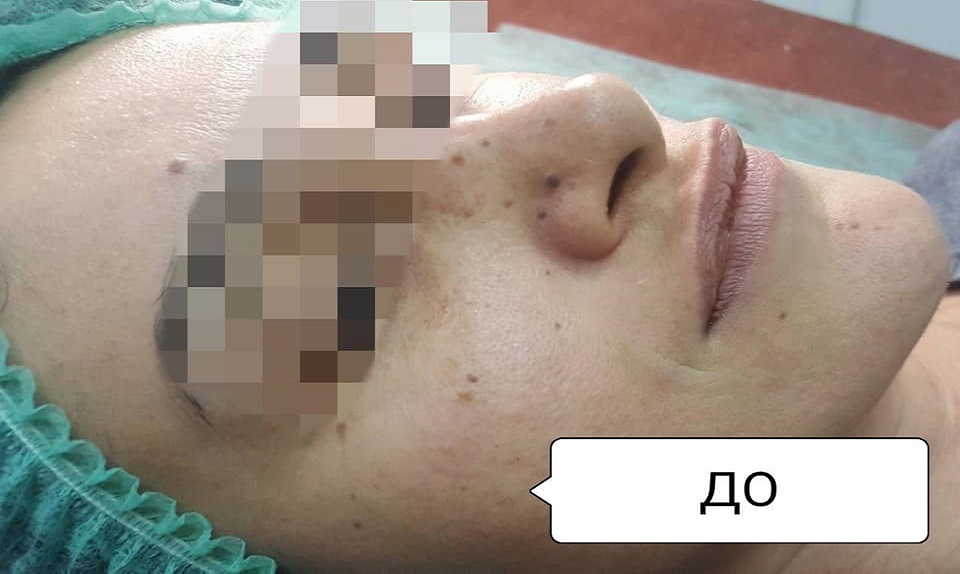
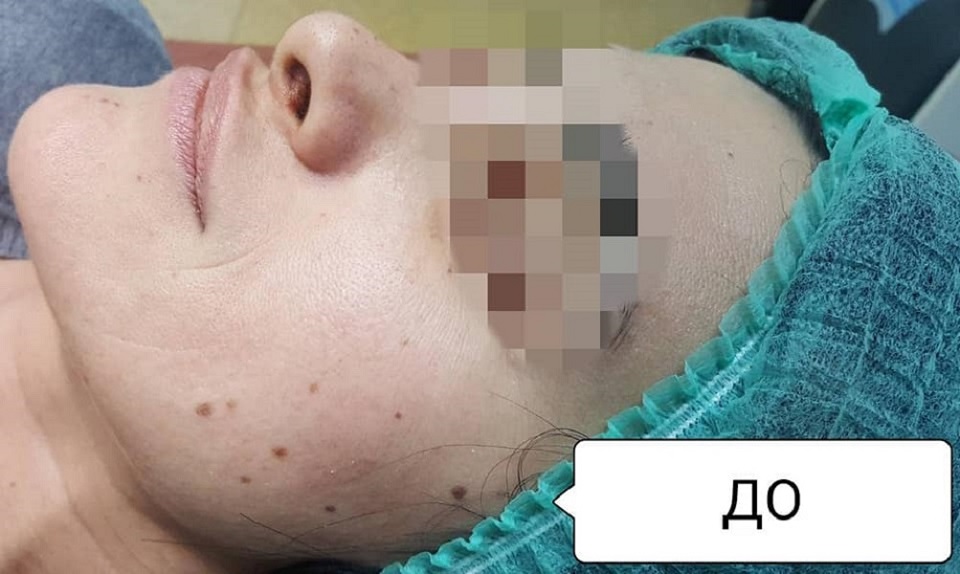
Of the three main forms of melanoma (superficial spreading, nodular and lentigo melanoma) are found among whites, lentigo melanoma is the rarest. There is only 5% of cases. Lentigo melanoma occurs in the elderly on open parts of the body: the face and forearms. Isolation plays a leading role in tumor pathogenesis. Malignant lentigo-the precursor of lentigo melanoma is a flat intraepidermal neoplasm, i.e. a spot. The appearance of the spot surface of the protruding area (papule or node) will mean invasion of cells into the dermis. From this point on, the neoplasm becomes lentigo melanoma.
Men and women get sick equally often.
There is likely an increase in regional lymph nodes.

Snezhko Svetlana
Dermato-oncologist. Cosmetologist. Dermatovenerologist.
Association of Dermatovenereologists and Cosmetologists of Ukraine
Working hours
Monday- Friday: 9.00-19.00
Saturday / Sunday: day off