


Precancerous condition

Comprehensive, individual, anonymous approach to treatment.
Precancerous or precancerous condition includes congenital or acquired tissue changes that contribute to the occurrence of malignant tumors. For many tumors, such conditions are not defined, which creates certain difficulties in the organization of preventive measures.
In other words, we can say that each cancer has its own precancerous disease, and the process of transition from normal cells to cancer is only an intermediate stage.
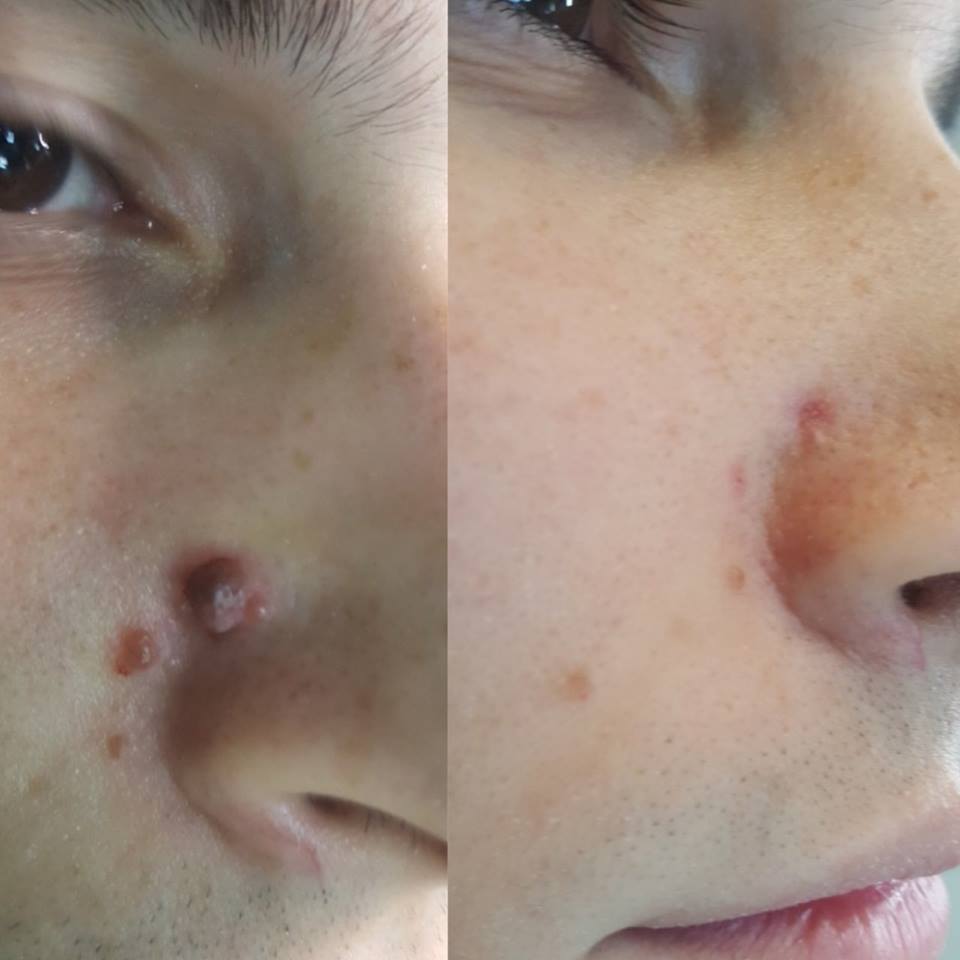
Precancerous skin conditions:
benign acanthoma;
keratosis;
xeroderma pigmentosum;
basal cell carcinoma.
Precancerous changes in the mammary gland: cysts; ductular ectasia; adenosis; sclerosing adenosis; lactation foci; intraductal hyperplasia; intralobular hyperplasia.
Precancerous conditions in the oral cavity are leukoplakia; erythroplakia; submucosal fibrosis.
Oncologists distinguish 4 consecutive phases (morphogenesis) before a particular cancer:
1st phase.
It includes all facultative precancerous diseases, called in these phases – precancerous condition.
2 nd phase.
It includes obligate precancerous diseases, called here-precancerous conditions. This includes dysplasia.
3 rd phase.
The third phase is the so-called pre-invasive cancer or intraepithelial (Carcinoma in situ). The tumor process in this phase is limited only by the epithelial layer, i.e. the spread of the tumor is limited to a certain limit.
4 th phase.
It’s an early invasive cancer, i.e. microcarcinoma. The tumor can be localized, there are no metastases. With proven invasive cancer, successful surgical treatment is possible without the use of radiation and chemotherapy.


Snezhko Svetlana
Dermato-oncologist. Cosmetologist. Dermatovenerologist.
Association of Dermatovenereologists and Cosmetologists of Ukraine
Working hours
Monday- Friday: 9.00-19.00
Saturday / Sunday: day off