


Treatment of the sudoriferous glands diseases

A comprehensive, individualized, anonymous approach to treatment.
Diseases of the sudoriferous glands cause the sense of discomfort in the first place to patients, as well as forward to the development of other skin diseases.
Anhidrosis
This is a disease of the sudoriferous glands, in which it is the inability to sweat normally. Currently, it is interpreted as the inability of the body to produce sweat on the skin surface. The condition may be due to either underdevelopment of the nerve elements or insufficient activity of the sudoriferous glands. Permanent anhidrosis is usually accompanied by disorder of other skin structures and is observed under a range of syndromes, acute lung cancer.
Treatment consists in the prescription of multivitamins, retinol, indifferent ointments. Physical work and staying in a hot, especially wet climate are contraindicated for patients.
In elderly people olighydria is often observed (insufficient sweating). Its treatment includes vitamin A and vitamin B14. Locally rubbing the softening creams is recommended.
Hydradenitis
This is a disease of the sudoriferous glands of suppurative nature, which is more common in middle-aged women. The main causes of hydradenitis are embolism of the glands or follicle, the body hormonal changes (pregnancy, menopause). Intertrigos, traumas and bacterial infection are predisposing factors for the development of purulent diseases of the sudoriferous glands.
Treatment includes the use of Ichthyol, antibiotics, treatment of the skin with alcohol; general health-improving procedures, physical therapy, and sometimes surgery.
To prevent hydradenitis, it is necessary to normalize perspiration and follow the rules of hygiene. Specialized deodorants also help well.
Hyperhidrosis
Hyperhidrosis. It can be a symptom of some diseases. At an early age, with latent processes of rheumatism, tuberculosis, etc., it is observed in weakened, malnourished children. In adults – with Basedow’s disease, neurasthenia, tuberculosis, hysteria, neuritis, etc. Significant changes in sweating are observed in patients with eczema, neurodermatitis, psoriasis both in the lesion focuses and on apparently unchanged skin.
Treatment of excessive sweating is a complex process. General health-improving agents (preparations of iron, phosphorus, calcium, arsenic), multivitamins, sedatives from the group of tranquilizers are used.
The use of liquid is limited. Externally, drugs of various types are prescribed, primarily containing formalin, aluminum compounds, boric acid, zinc oxide, talc, etc.
Formalin reduces the secretion of sudoriferous glands and disinfects. But if you have abrasions on the sole and palms, it should not be used, because it can cause irritation.
Osmidrosis
Sweat with an unpleasant smell caused by substances formed during the decomposition of sweat under the influence of bacteria. It is usually observed in adults. It often affects young girls who have menstrual disorders. The development of this disease is facilitated by non-compliance with personal hygiene rules, increased sweating, endocrine disorders, and intertrigos. Sometimes osmidrosis may appear after taking certain medications. If you find symptoms of this disease, you should consult a gynecologist and endocrinologist.
Osmidrosis treatment involves the use of antibacterial agents that prevent the decomposition of sweat, deodorants, adsorbents that eliminate fetid substances formed during the decomposition of sweat.
Chromhidrosis
It is a rare professional disease of the sudoriferous glands. It is observed in workers who come into contact with copper, cobalt, and other metals. Clinically it characterized by the form of colored sweat, most often red sweat. Usually, chromidrosis is local in nature, since the staining of sweat is associated with the oxidation of substances contained in sweat in contact with air.
Treatment consists in eliminating harmful factors, maintaining personal hygiene, and consuming a large amount of liquid. If necessary, diuretics are prescribed.
Miliaria
Rashes of small bubbles filled with a clear or cloudy liquid that cause painful itching. It appears when long-term exposure to environmental factors – heat, humidity, in a tropical climate it can take the form of an epidemic. Miliaria is often observed in infants and young children, in people who are plump and who suffer from exudative diatheses.
From the general therapy, desensitizing, antihistamines and vitamins are prescribed.


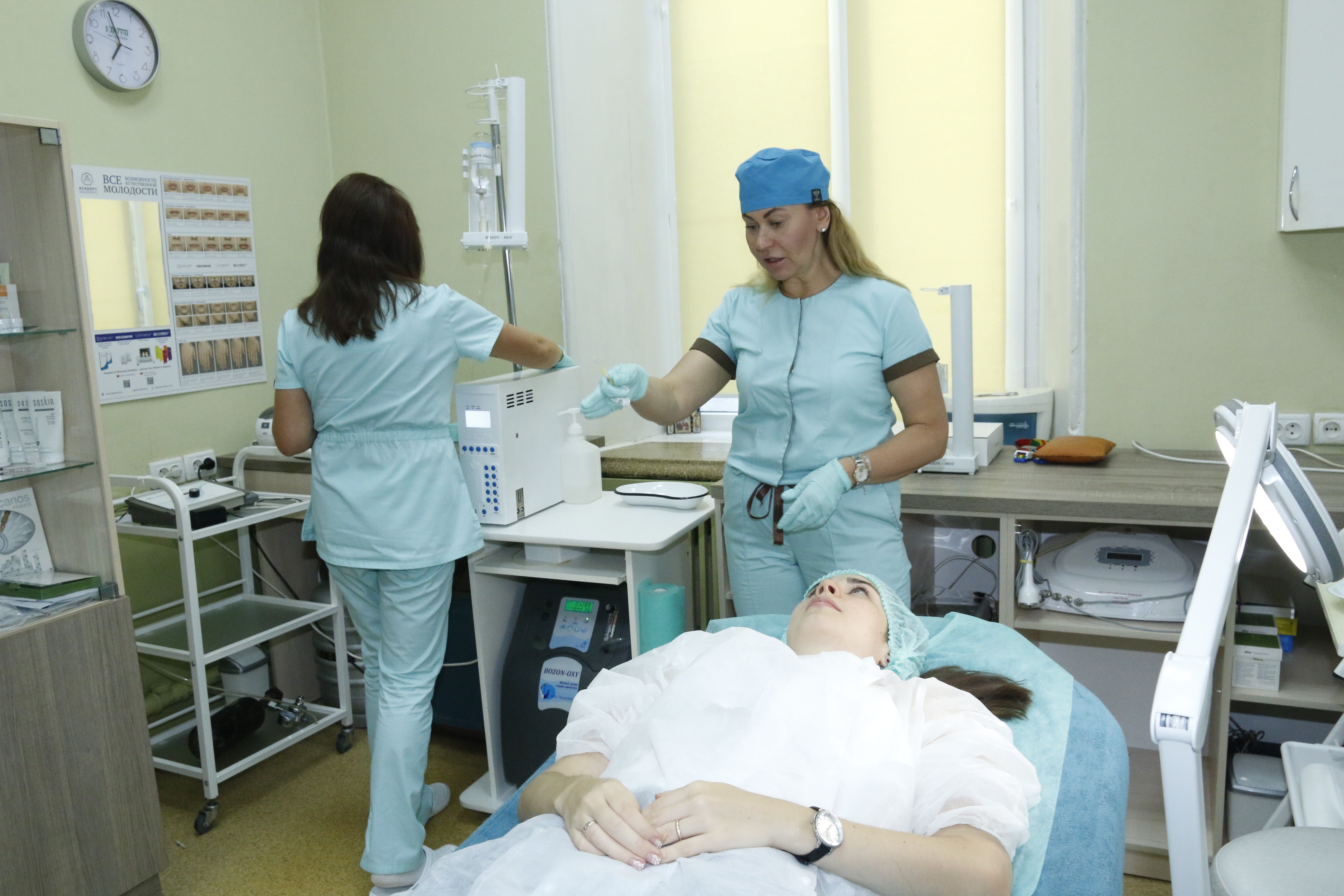

Snezhko Svetlana
Dermatovenerologist.
Association of Dermatovenereologists and Cosmetologists of Ukraine
Working hours
Monday- Friday: 9.00-19.00
Saturday / Sunday: day off